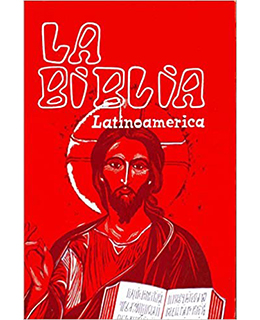
BIBLIA LAT.LETRA GRANDE
Autor: HURAULT BERNARDO / RICCIARDI RAMON /Editorial: SAN PABLO (1) E
Precio S/ 76.6
Comprar
: It is crucial to distinguish between gender identity (one's internal sense of being male, female, or another gender) and sexual orientation (who one is attracted to). Transgender people may identify as straight, gay, lesbian, bisexual, or any other orientation.
: Transitioning is a personal process that may involve social changes (like names and pronouns), legal changes (identification documents), or medical steps (hormone therapy or surgery) to align one’s physical appearance with their gender identity. 2. Historical and Cultural Roots
: According to the U.S. Transgender Survey , the largest study of its kind, trans individuals experience high rates of discrimination in housing, employment, and healthcare. shemale smoking fuking
: Many societies have long recognized "third genders" or gender-fluid roles, such as the nádleehi of the Navajo or the lhamana of the Zuni in North America, as well as various traditional roles across African societies.
Transgender identities are not a modern phenomenon but have existed across global cultures for millennia. : It is crucial to distinguish between gender
In conclusion, the transgender community is central to the history and future of LGBTQ culture. Understanding the nuances of gender identity beyond biological essentialism is key to fostering an inclusive society that respects the dignity of all individuals.
: Organizations like Advocates for Trans Equality provide essential resources and advocacy. : Many societies have long recognized "third genders"
: Increased representation in media and politics has helped humanize trans experiences, though it has also led to heightened political scrutiny and the need for robust legal protections.
: It is crucial to distinguish between gender identity (one's internal sense of being male, female, or another gender) and sexual orientation (who one is attracted to). Transgender people may identify as straight, gay, lesbian, bisexual, or any other orientation.
: Transitioning is a personal process that may involve social changes (like names and pronouns), legal changes (identification documents), or medical steps (hormone therapy or surgery) to align one’s physical appearance with their gender identity. 2. Historical and Cultural Roots
: According to the U.S. Transgender Survey , the largest study of its kind, trans individuals experience high rates of discrimination in housing, employment, and healthcare.
: Many societies have long recognized "third genders" or gender-fluid roles, such as the nádleehi of the Navajo or the lhamana of the Zuni in North America, as well as various traditional roles across African societies.
Transgender identities are not a modern phenomenon but have existed across global cultures for millennia.
In conclusion, the transgender community is central to the history and future of LGBTQ culture. Understanding the nuances of gender identity beyond biological essentialism is key to fostering an inclusive society that respects the dignity of all individuals.
: Organizations like Advocates for Trans Equality provide essential resources and advocacy.
: Increased representation in media and politics has helped humanize trans experiences, though it has also led to heightened political scrutiny and the need for robust legal protections.