Terms File
Carefully crafted vector graphics for HMI, SCADA and industrial applications.
Purpose-Built for:
- Systems Integrators
- Control Systems Integrators
- Engineers
- Application Integrators
- Automation Integrators
- Industrial Applications
Introducing HMIcons
We’ve spent hundreds of hours crafting this graphics library, specifically for SCADA and industrial automation applications.
: A mini-dictionary usually found at the end of a work that defines technical or advanced terms.
: Often found at the beginning of research papers, listing the 3–5 most critical terms used in the study.
searching looks for exactly what you typed, which requires you to consider synonyms and variant spellings (e.g., "heart attack" vs. "myocardial infarction").
: Useful for language learners, this tool checks the vocabulary level of a text according to the CEFR (A1-C2) standards to identify which terms deserve the most focus.
: This tool analyzes any text you paste, automatically generating a list of the most useful vocabulary words and showing how they are used in context.
: Instead of just looking up a definition, use a concordance —a list that shows every instance of a word in a text aligned with its preceding and following words. This reveals patterns of co-occurrence and specific usage. Keyword vs. Free-Text Searching :
: A list at the back of a book that identifies the exact pages where specific terms or topics are discussed.
Feature
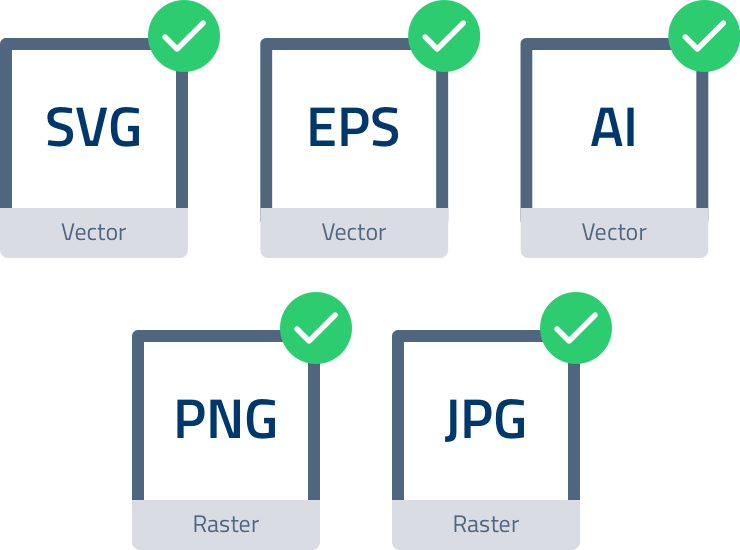
Each of our 150 and counting unque graphics is delivered in five file formats, including SVG, JPG, PNG, AI, and EPS.
Your download includes our original vector design files, the pre-exported SVG files and all other common graphics formats with multiple sizes. Raster graphics are pre-exported for you at 1x, 2x and 3x sizes.
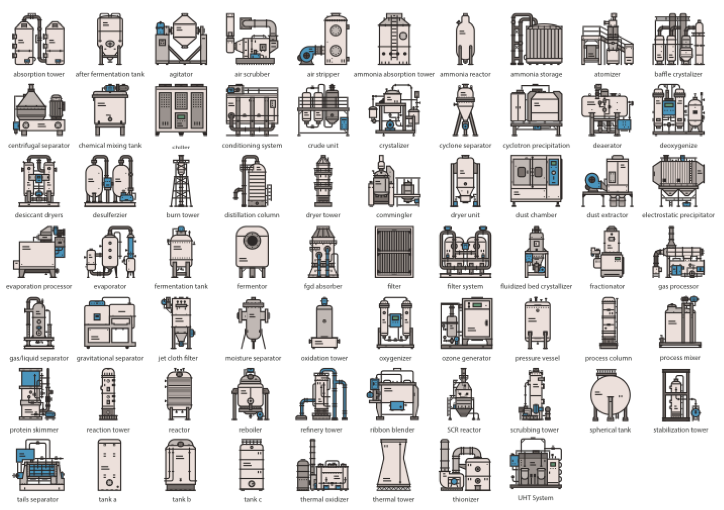
Feature
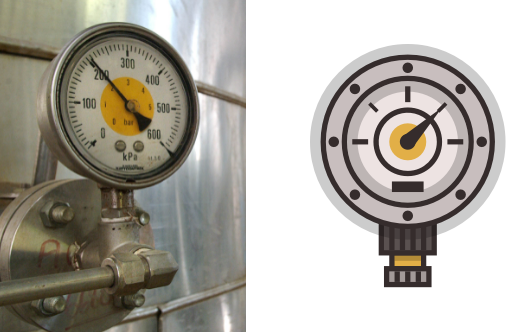
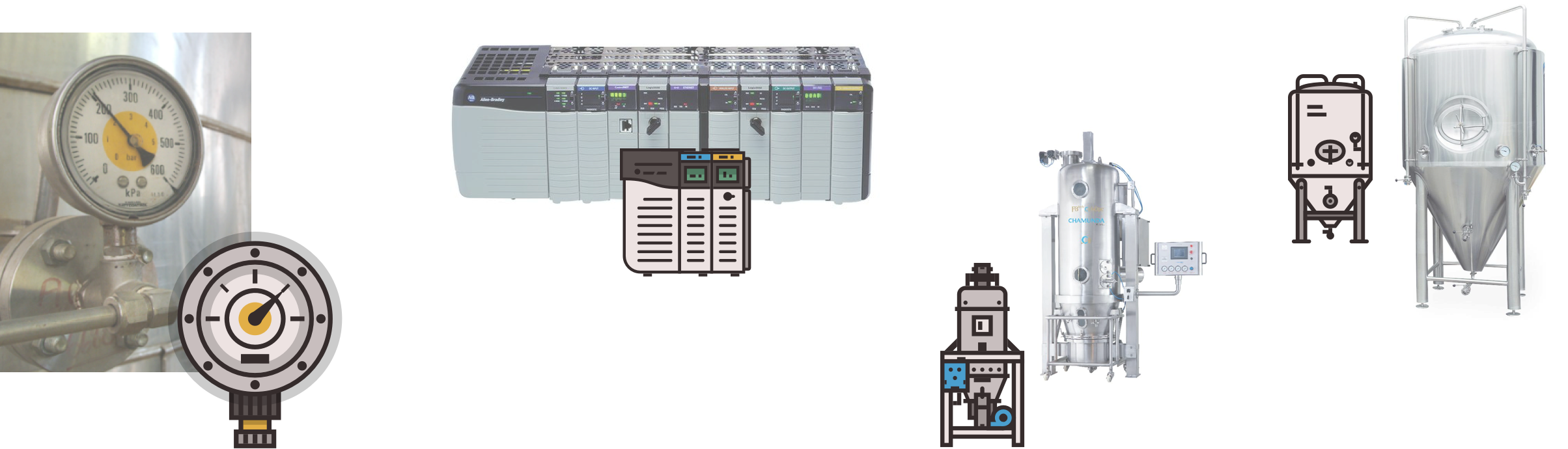
The full collection includes over 150 custom designed, unique graphics for your industrial pplication. From buttons and gauges to the hyper-specific emulsifiers and conveyor grahics, this package has you covered.
Feature
Our industrial graphics are 100% vector, and include the source files.
This enables you to easily change the size, scale and colors of your graphics.
: A mini-dictionary usually found at the end of a work that defines technical or advanced terms.
: Often found at the beginning of research papers, listing the 3–5 most critical terms used in the study. : A mini-dictionary usually found at the end
searching looks for exactly what you typed, which requires you to consider synonyms and variant spellings (e.g., "heart attack" vs. "myocardial infarction"). "myocardial infarction")
: Useful for language learners, this tool checks the vocabulary level of a text according to the CEFR (A1-C2) standards to identify which terms deserve the most focus. : Instead of just looking up a definition,
: This tool analyzes any text you paste, automatically generating a list of the most useful vocabulary words and showing how they are used in context.
: Instead of just looking up a definition, use a concordance —a list that shows every instance of a word in a text aligned with its preceding and following words. This reveals patterns of co-occurrence and specific usage. Keyword vs. Free-Text Searching :
: A list at the back of a book that identifies the exact pages where specific terms or topics are discussed.