



Trying To Buy A Used Car -

  • trying to buy a used car
  • trying to buy a used car
  • trying to buy a used car
  • trying to buy a used car
  • trying to buy a used car
trying to buy a used car

The final stage of the journey is the negotiation, a psychological exercise in patience and leverage. Equipped with a mechanic’s report and market data, the buyer is no longer a passive participant but a partner in the transaction. Transparency regarding one's budget, coupled with a willingness to walk away if the terms are unfavorable, often leads to the most equitable outcome. By treating the purchase as a data-driven project rather than a high-stakes gamble, a buyer can secure a reliable vehicle that serves their needs without compromising their financial health.

The process begins long before stepping onto a lot, rooted firmly in the digital landscape of market research. Identifying a reliable make and model is the first line of defense against future repair costs. Utilizing resources like consumer reliability reports and historical price data allows a buyer to establish a "fair purchase price," ensuring they aren't swayed by emotional appeals or aggressive sales tactics. In this phase, the goal is to narrow the search to vehicles known for longevity rather than short-term aesthetic appeal.

Buying a used car is often described as a balancing act between financial pragmatism and mechanical risk. While the immediate depreciation of a new vehicle makes the used market an attractive alternative, the lack of a "blank slate" history requires a buyer to transition from a mere consumer to a disciplined investigator. Success in this arena is not found by luck, but through a rigorous process of research, inspection, and negotiation.

This essay explores the essential steps and strategic considerations involved in successfully navigating the used car market. The Art of the Pre-Owned Purchase

Once a specific vehicle is identified, the focus shifts to its individual history. A vehicle history report is a non-negotiable prerequisite, offering a window into past accidents, title issues, and maintenance consistency. However, paperwork only tells part of the story. The physical inspection and subsequent test drive serve as the ultimate litmus test. A savvy buyer looks beyond the shiny exterior, checking for uneven tire wear, fluid leaks, and signs of structural repair. Engaging a trusted mechanic for a pre-purchase inspection is perhaps the single most effective way to uncover hidden liabilities that an untrained eye might miss.

Trying To Buy A Used Car -

The final stage of the journey is the negotiation, a psychological exercise in patience and leverage. Equipped with a mechanic’s report and market data, the buyer is no longer a passive participant but a partner in the transaction. Transparency regarding one's budget, coupled with a willingness to walk away if the terms are unfavorable, often leads to the most equitable outcome. By treating the purchase as a data-driven project rather than a high-stakes gamble, a buyer can secure a reliable vehicle that serves their needs without compromising their financial health.

The process begins long before stepping onto a lot, rooted firmly in the digital landscape of market research. Identifying a reliable make and model is the first line of defense against future repair costs. Utilizing resources like consumer reliability reports and historical price data allows a buyer to establish a "fair purchase price," ensuring they aren't swayed by emotional appeals or aggressive sales tactics. In this phase, the goal is to narrow the search to vehicles known for longevity rather than short-term aesthetic appeal. trying to buy a used car

Buying a used car is often described as a balancing act between financial pragmatism and mechanical risk. While the immediate depreciation of a new vehicle makes the used market an attractive alternative, the lack of a "blank slate" history requires a buyer to transition from a mere consumer to a disciplined investigator. Success in this arena is not found by luck, but through a rigorous process of research, inspection, and negotiation. The final stage of the journey is the

This essay explores the essential steps and strategic considerations involved in successfully navigating the used car market. The Art of the Pre-Owned Purchase By treating the purchase as a data-driven project

Once a specific vehicle is identified, the focus shifts to its individual history. A vehicle history report is a non-negotiable prerequisite, offering a window into past accidents, title issues, and maintenance consistency. However, paperwork only tells part of the story. The physical inspection and subsequent test drive serve as the ultimate litmus test. A savvy buyer looks beyond the shiny exterior, checking for uneven tire wear, fluid leaks, and signs of structural repair. Engaging a trusted mechanic for a pre-purchase inspection is perhaps the single most effective way to uncover hidden liabilities that an untrained eye might miss.

Trying To Buy A Used Car -

Distrito Centro - Capital

Av. Bolivia 4671 - CP:4408
Tel:
e-mail:prensaju@justiciasalta.gov.ar

Distrito Centro - Sede Cafayate

Vicario Toscano 276 - CP:4427
Tel:
e-mail: cmultifuero@justiciasalta.gov.ar

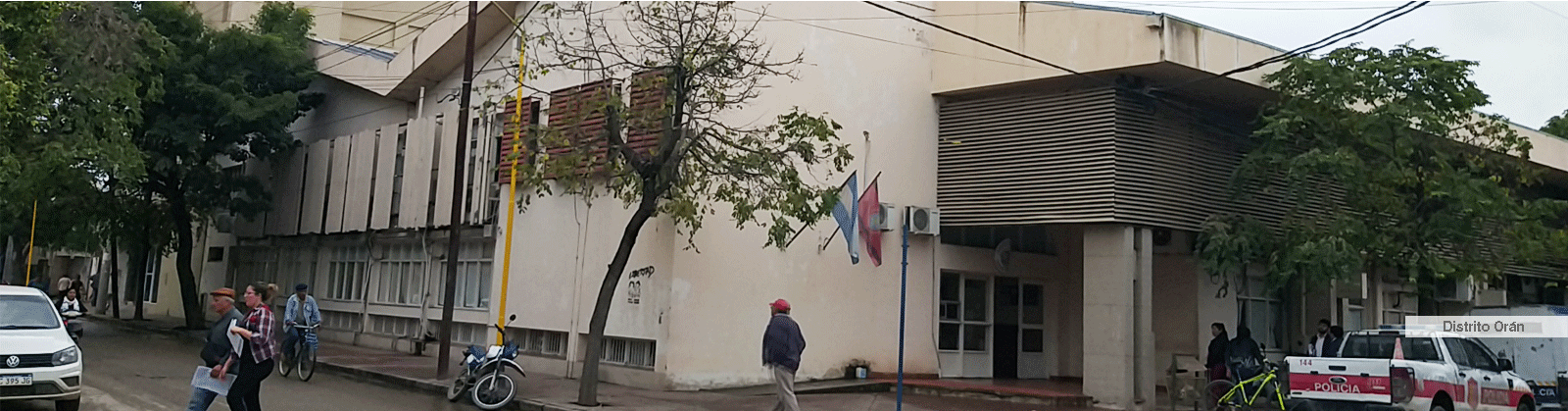
Distrito Orán

Egües y Lamadrid - CP:4530
Tel:
e-mail:oadmins@justiciasalta.gov.ar

Distrito Tartagal

Av. Mosconi 1461 - CP:4560
Tel:
e-mail: tadmins@justiciasalta.gov.ar

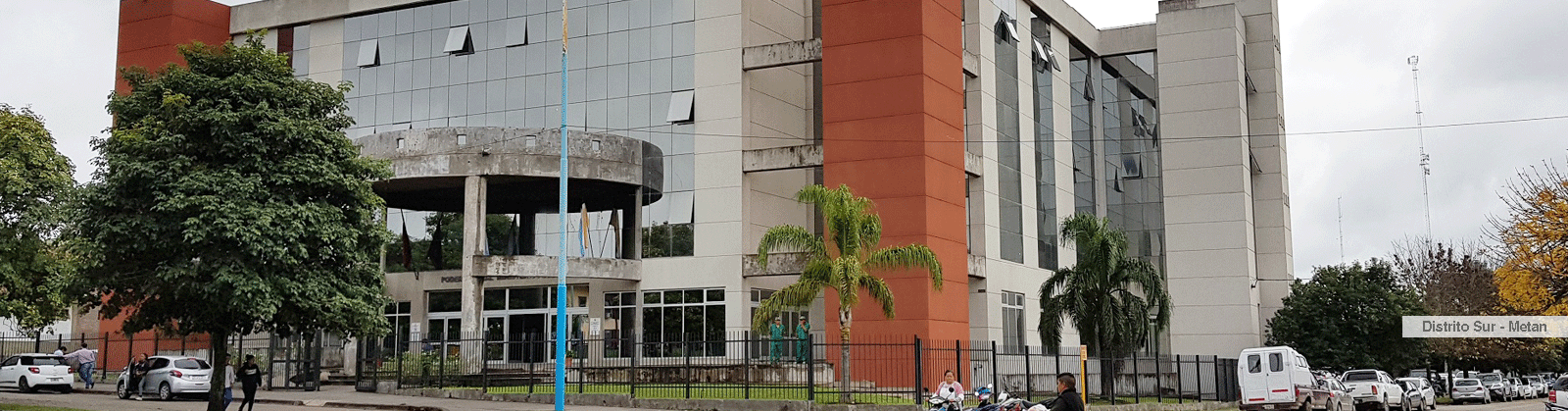
Distrito Sur - Metán

Mitre Oeste 30 - CP:4440
Tel:
e-mail: madmins@justiciasalta.gov.ar

Distrito Sur - Anta

Belgrano 210 - Esq. 9 de Julio (Joaquín V. González) - CP:4448
Tel:
e-mail: gcfl1@justiciasalta.gov.ar